

It’s spring and wasps are building nests afresh. The queen wasp is out of hibernation and needs to start a colony. Wasps seek out sheltered, warm areas with easy access to food. This could include your home. If left unchecked, they can build large nests, making removal more difficult. This post looks at where wasps build nests inside people’s properties.
Loft spaces and attics
Lofts and attics are some of the most common places where wasps build nests. These areas are warm, undisturbed and provide plenty of space. Small gaps in the roof or vents allow them easy access. Once inside, wasps can quickly construct a nest using chewed wood and saliva. If you hear buzzing sounds or notice wasps entering your loft, there could already be a nest.
Wall cavities and voids
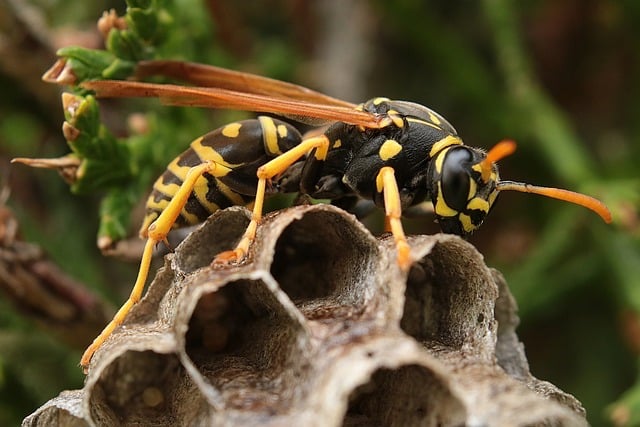
Wasps often take advantage of small cracks and crevices in brickwork or wooden structures. They squeeze through gaps and establish nests inside wall cavities. This hidden location makes it difficult to detect the nest until wasps start appearing indoors. If you notice wasps coming and going from a specific point in your wall, it’s time for a professional wasp control company like Diamond to safely investigate the situation, as these wasps could become aggressive.
Eaves and soffits
The sheltered space under eaves and soffits provides an ideal nesting site. Wasps build nests here because the overhang offers protection from wind and rain. They enter through tiny openings, creating a growing colony before homeowners have time to realise. Regularly inspecting these areas can help prevent an infestation.
Garages and sheds
Outbuildings, including garages and sheds, often attract wasps looking for quiet places to nest. If these spaces remain undisturbed for long periods, wasps can quickly establish a colony. They often construct their nests in roof corners, behind shelving or inside stacked materials. Checking these areas in spring can help you catch a nest early.

Chimneys and vents
Chimneys and air vents provide excellent entry points for wasps. Once inside, they find warm, sheltered spots to build their nests. Blocked vents or unused chimneys increase the risk of infestation. If wasps frequently enter and exit from these areas, professional removal may be needed.
Roof overhangs and porches
Wasps favour overhanging structures such as porches and roof edges. These spots provide both height and shelter, reducing the risk of disturbance. They often attach nests to wooden beams or under roofing materials. Regular maintenance and sealing of gaps can reduce the chances of an infestation. We offer a full wasp nest removal service. If you suspect a nest, seeking expert help will ensure its safe removal.