

Dust mites are one of the most common insects found in London homes, particularly in well insulated flats and houses, where warmth and humidity are consistent all year round. In the UK, they are a leading cause of indoor allergies, often triggering more reactions than pollen. For many people, symptoms such as sneezing, congestion and itchy eyes are linked directly to dust mite exposure. That is why keeping them under control is so important. In this guide, we will look at how to get rid of dust mites in your home and reduce their impact in 2026.
Use HEPA Filter Vacuuming
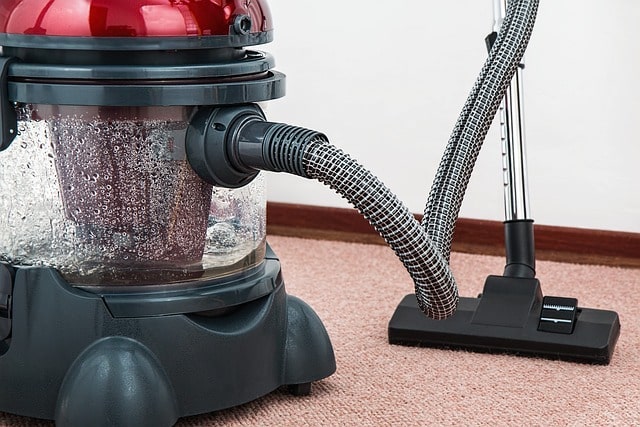
Standard vacuum cleaners often redistribute fine dust particles rather than removing them fully. Using a vacuum with a HEPA filter helps capture microscopic allergens, including dust mite waste, which is a key trigger for allergies. In London homes with limited space and high usage, regularly vacuuming carpets, mattresses and soft furnishings is essential. Focus on high-traffic areas such as bedrooms and living rooms for the best results.
Reduce items that collect dust
Dust attracting objects provide dust mites with an all you can eat buffet. Reducing items that collect dust is about limiting the small, often overlooked areas where dust builds up over time. As well as mattresses, common items you will find dust mites in are pillows and blankets, so it may be best to replace them. Books, ornaments, stacked papers and stored belongings can quietly gather dust, especially on shelves, windowsills and in corners.
These items tend to accumulate quickly if they are not dusted regularly. Keeping surfaces simple, organised and easy to access allows for more thorough cleaning and makes it harder for dust mites to settle and thrive.
Use anti-mite products
Using anti-mite products can help reduce dust mite levels when combined with regular cleaning. In 2026, commonly used options include mattress and pillow encasements designed to create a barrier against mites, as well as specialist sprays that target allergens rather than just the mites themselves. While they do not eliminate dust mites entirely, they can significantly reduce exposure and help manage allergy symptoms when used as part of a wider routine.
Improve Ventilation in Everyday Living Spaces
Modern London homes, particularly flats and newer builds, are often well insulated but poorly ventilated. This creates ideal conditions for dust mites, which thrive in warm, stagnant air. Opening windows regularly, even for short periods, helps stop moisture from building up. You should use extractor fans in kitchens and bathrooms consistently, especially during winter when condensation is more common. Better airflow makes the environment less suitable for dust mites to multiply.
Allow sunlight into your home
Dust mites prefer dark, warm and slightly humid environments, so allowing sunlight into your home can make conditions less comfortable for them. Direct sunlight can also help dry out surfaces like bedding and mattresses, which reduces the moisture mites rely on to survive. In London homes, especially flats that don’t always get strong airflow, opening curtains and letting in natural light can make a noticeable difference over time.

Sunlight won’t eliminate dust mites on its own. It works best alongside regular cleaning, washing bedding at high temperatures and managing humidity levels.
Wash Bedding at High Temperatures
Dust mites are most commonly found in bedding, where they feed on shed skin cells. In 2026, guidance remains clear that washing sheets, pillowcases and duvet covers at 60°C or above is one of the most effective ways to reduce their presence. This is similar to the temperatures used to kill bed bugs. People often wonder if they have bed bugs when they actually have dust mites. In London homes where heating keeps rooms warm in all seasons, mites can survive easily unless they are regularly disrupted. Weekly washing at the approriate temperature may significantly lower mite populations.
Choose Flooring and Furnishings Carefully
Carpets, heavy curtains and upholstered furniture can trap dust and create ideal habitats for dust mites. In many London properties, particularly older homes, soft furnishings are a major contributor to ongoing issues. Where possible, consider hard flooring such as wood or laminate instead of dust mite attracting carpet. Also, opt for washable or low-fabric furnishings. This reduces the number of places mites can settle and makes cleaning more effective.