

Across London, pest control companies offer a wide range of treatments, prices and service arrangements. However, not every company approaches an infestation in the same way. Asking a few straightforward questions before booking can help you understand what you’re paying for, what the treatment involves and whether the company is suitable for your needs.
Before choosing a pest control company, here are some of the important pest control questions worth asking.
1. How Long Have You Been in Business?
Experience can make a difference when dealing with pests. An established company is likely to have encountered a wide range of infestations, from mice entering Victorian terraces through gaps in old pipework to bed bugs spreading between flats in a London apartment block.
Ask about the company’s experience with the particular pest affecting your property, as the knowledge required to treat a cockroach infestation can differ considerably from that needed for a squirrel in a loft.
A reputable company like Diamond, who have been successfully operating for decades, should be able to confidently outline their prior experience. They will explain how it approaches your problem, what it expects to find, and which factors could affect the outcome.

2. Do You Have Good Customer Reviews?
Customer feedback can help you assess a company’s reliability, communication and standard of work. Look for reviews that describe the service provided, whether the technician arrived when expected and how the company handled any follow-up visits.
TrustPilot reviews can be particularly useful when comparing pest control businesses serving your part of London. Read a selection rather than relying entirely on the overall star rating, and pay attention to how the company performs over time.
You can also check whether reviews refer to the type of pest you need treated. Positive feedback about a wasp nest removal, for example, may tell you less about a company’s approach to a persistent rodent infestation that requires several visits.
A reputable company should be comfortable explaining its services and proudly direct you towards genuine customer feedback.
3. Are You Fully Insured?
Pest control work can involve lofts, roof spaces, kitchens, commercial premises and other areas where accidental damage is possible. Appropriate insurance provides an important safeguard if something goes wrong during the work.
Ask whether the company holds suitable public liability insurance and whether its cover is appropriate for the services it provides. If the work involves employees, you can also ask about employers’ liability insurance where applicable.
This pest control question is particularly relevant if a technician needs to access difficult areas, work at height or carry out treatment in a business premises. A professional company like Diamond will be willing to confirm its insurance arrangements rather than leaving you uncertain about who would be responsible if accidental damage occurred.

4. Are Your Treatments Safe for Children And Pets?
If you have children to keep safe, or have cats, dogs or other animals at home, you should understand how a proposed treatment may affect them.
The appropriate precautions depend on the pest, the treatment method and the product being used. Some jobs may involve traps or physical proofing, while others may require carefully targeted pesticide applications.
Ask the technician what pet safe pest control methods they will use, where equipment will be placed and whether anyone needs to leave the property during or after treatment. You should also receive clear instructions about access restrictions, cleaning and any precautions needed before the treated areas can be used again. A responsible pest control company will explain the relevant risks and precautions for your particular property rather than making blanket assurances.
5. What Aftercare and Follow Up Visits Are Included?
Successful pest control sometimes requires more than one visit. The number of treatments depends on the pest, the extent of the infestation and the method used. For example, bed bug treatments may require follow-up inspections or additional treatment, while a mouse infestation may need monitoring to establish whether activity has stopped. Some problems can be resolved quickly, whereas others require a longer management plan.
Before booking, ask whether follow up visits are included in the quoted price, how progress will be assessed and what happens if you continue to see signs of pests. You should also find out whether the company provides advice on preventing reinfestation, such as sealing entry points, improving waste storage or addressing conditions that attract pests. Clear aftercare arrangements help you understand what to expect and avoid misunderstandings later.
6. Do You Offer Emergency Pest Control and How Quickly Can You Come Out?
Some infestations need urgent attention. A wasp nest next to a busy entrance, rats in a food preparation area or a pest problem affecting a commercial premises can create immediate problems.
If you need a rapid response, ask whether the company offers same day or emergency pest control appointments in your part of London. Check the likely arrival window, whether an emergency call out carries an additional charge, and what the technician can realistically achieve during the first visit. A dependable company should explain its availability honestly and give you a realistic idea of the next steps.
7. How Will You Prevent the Pests from Returning?
Removing the pests currently present is only part of the job. If the conditions that allowed the infestation to develop remain unchanged, the problem may return. This is one of the most common pest control questions we get asked.
For rodents, this could mean identifying gaps around pipes, damaged air vents or openings under doors. For insects, the priorities may include locating breeding sites, improving storage practices or identifying how pests are entering the building.
In London, adjoining properties can add another complication. Mice and other pests may travel through shared walls, ceiling voids, pipework and communal areas. In addition, recurring problem in a house or flat may require further investigation into other rooms in the home beyond the individual room where activity was first noticed.
Ask what practical steps the company recommends after treatment, and whether it can carry out any necessary proofing work. You should receive advice relevant to your property rather than a generic list of precautions.
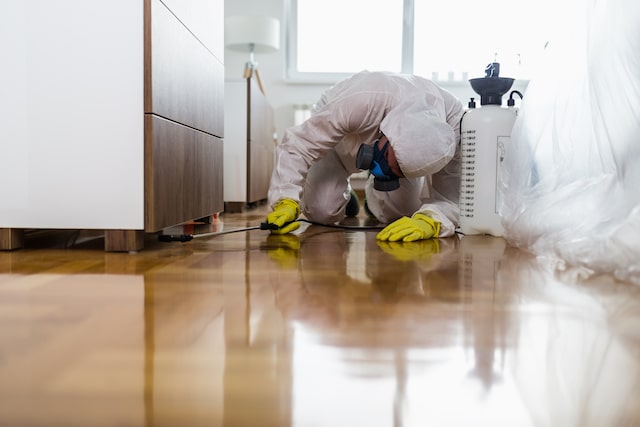
8. How Will You Identify the Right Treatment For My Problem?
A reliable pest control company should investigate the infestation before deciding on a treatment. Simply applying the same method to every property is unlikely to produce the best results. The technician should consider the pest species, the location of the activity, the likely entry points and the extent of the problem. They should also take account of the building itself and any relevant safety concerns.
For example, solving mouse problems due to rodents entering a London flat through gaps around shared pipework may require a different approach from mice nesting in a detached house’s loft. Likewise, the treatment for a cockroach infestation in a commercial kitchen will need to reflect the premises’ hygiene requirements. Ask the company to explain its proposed approach and why it is suitable. You should understand the main steps involved, any preparation required and what the treatment is expected to achieve.
Choosing The Right Pest Control Company in London
Finding a suitable pest control company means looking beyond the price of the first visit. Experience, training, insurance, treatment methods, clear communication and appropriate follow up arrangements all contribute to a professional service.
It is also important to choose a company that’s familiar with your type of property and the specific infestation involved. London property covers everything from older terraced houses in East London and converted flats with pests in South London to large apartment developments, restaurants, offices and warehouses in North and West London. Each setting can present different challenges, such as identifying how pests are entering and what the best way to control them will be.
Diamond Pest Control provides professional extermination services across London for commercial and residential pest control customers. Our team can help with a range of pest problems, including rats, mice, wasps, bed bugs, cockroaches and most other common pests.
If you have discovered unwanted pests in your home or business, contact Diamond Pest Control. You can ask us any pest control questions you like. We are available by phone or email to discuss your pest problem and arrange appropriate advice and treatment.